
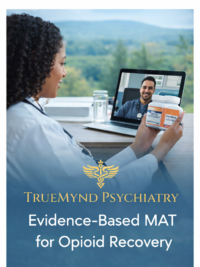
Medication-Assisted Treatment (MAT) for Opioid Use Disorder in Pennsylvania: Evidence-Based Care That Saves Lives:
Opioid Use Disorder (OUD) remains a significant public health crisis across Pennsylvania, with overdose deaths continuing to impact individuals, families, and communities statewide. According to the Centers for Disease Control and Prevention (CDC), opioid-related overdose deaths in Pennsylvania have remained among the highest in the United States, with synthetic opioids such as fentanyl driving the majority of fatalities in recent years. Addressing this epidemic requires evidence-based, accessible, and stigma-free treatment options—most notably, Medication-Assisted Treatment (MAT).
Medication-Assisted Treatment is widely recognized as the gold standard for treating opioid use disorder. Supported by extensive research from the National Institute on Drug Abuse (NIDA) and the Substance Abuse and Mental Health Services Administration (SAMHSA), MAT combines FDA-approved medications with behavioral therapies and psychosocial support. This integrative approach targets both the physiological and psychological components of addiction, improving treatment retention and long-term recovery outcomes.
FDA-approved medications used in MAT—such as buprenorphine (Suboxone), naltrexone (Vivitrol), and methadone—have been shown to significantly reduce opioid cravings, prevent withdrawal symptoms, and block the euphoric effects of opioids. Recent data (2022–2024) demonstrates that individuals engaged in MAT experience a reduction in all-cause mortality by over 50%, with some studies indicating even greater reductions in overdose-specific mortality when treatment is sustained. Additionally, MAT is associated with decreased illicit opioid use, improved social functioning, and reduced transmission of infectious diseases such as HIV and hepatitis C.
In Pennsylvania, expanding access to MAT has become a critical priority. Telehealth expansion, particularly following the COVID-19 pandemic, has significantly improved access to addiction treatment services—especially in rural and underserved areas. Board-certified Psychiatric Mental Health Nurse Practitioners (PMHNPs) are uniquely positioned to deliver high-quality MAT services, including comprehensive psychiatric evaluation, medication management, and ongoing monitoring. Their ability to provide holistic, patient-centered care ensures that treatment plans are individualized and responsive to each patient’s needs.
At TrueMynd Psychiatry, MAT is delivered through a compassionate, evidence-based framework that prioritizes dignity, autonomy, and long-term recovery. Treatment includes careful assessment, shared decision-making, and integration of therapy and support services when appropriate. Our providers recognize that opioid use disorder is a chronic medical condition—similar to diabetes or hypertension—and requires ongoing, structured care rather than short-term intervention.
Stigma remains one of the greatest barriers to accessing effective addiction treatment. Despite overwhelming evidence supporting MAT, misconceptions persist that medication-based approaches simply “replace one drug with another.” In reality, MAT stabilizes brain chemistry, restores normal physiological functioning, and enables individuals to rebuild their lives. Research consistently shows that patients receiving MAT are more likely to remain engaged in treatment and achieve sustained recovery compared to those receiving abstinence-only approaches.
For individuals and families in Pennsylvania seeking treatment, accessing MAT through a qualified psychiatric provider can be life-saving. With increasing availability of telepsychiatry services, patients can now receive confidential, high-quality addiction care from the comfort of their homes. At TrueMynd Psychiatry, our mission is to expand access to evidence-based mental health and addiction treatment across Pennsylvania, ensuring that every individual has the opportunity to achieve stability, health, and recovery.
Backlinks (Evidence & Data Sources)
- https://www.cdc.gov/overdose
- https://nida.nih.gov/research-topics/medication-assisted-treatment
- https://www.samhsa.gov/medication-assisted-treatment
- https://www.pa.gov/agencies/health/programs/opioids.html
- https://jamanetwork.com/journals/jama/fullarticle/2784878
- https://www.ncbi.nlm.nih.gov/pmc/articles/PMC8389227/